

Compared with traditional copper cable, optical cable has a stronger ability to resist electromagnetic interference. This is because optical fibers transmit optical signals, rather than electrical signals, and are therefore not affected by electromagnetic interference. By optimizing the design, using advanced technology and regular maintenance measures, the stability and safety of the cable can be further improved. With the continuous development and improvement of optical fiber communication technology, electromagnetic interference will no longer be an obstacle to its development.
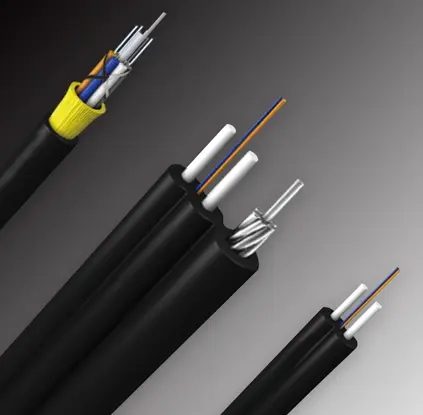
Nowadays, a single fiber optic cable carries countless pieces of information from around the world; Optical fiber cable connects the north and south of the world, and the optical fiber cable network has spread all over the world.
Optical fiber cable has become a necessary information infrastructure for the normal operation of modern society. Optical fiber cable is not only a medium for transmitting information, but also a bridge to bridge the digital divide, playing an important role in promoting the vigorous development of the digital economy. The rapid narrowing of the digital divide between urban and rural areas has been supported by the construction of network infrastructure such as optical fiber cable and the development of new information and communication technologies, which have brought tremendous changes to people's lives and production.

For over two decades, OTRANS has established itself as a premier optical fiber cable factory and supplier on the global stage. Our identity is built on three pillars:
Our Capacity: We are a proven bulk and wholesale fiber cable source, operating state-of-the-art facilities capable of meeting the largest and most urgent project demands.
Our Commitment: Quality is non-negotiable. Our comprehensive suite of certifications (ISO9001, CE, RoHS, UL) is your guarantee of product safety, performance, and reliability.
Our Flexibility: We understand that standard isn't always enough. Our extensive OEM and ODM capabilities allow us to co-create the perfect fiber cable solution for your unique application.
This unwavering focus has earned us the trust of partners in over 50 countries, making us more than just a vendor – we are a cornerstone of your network's infrastructure.

 English