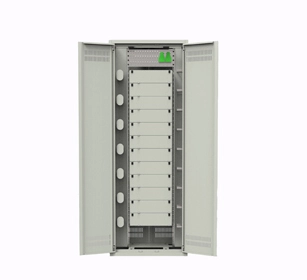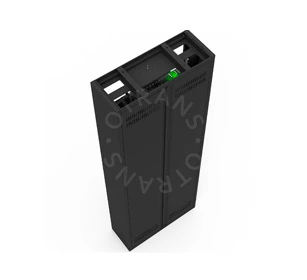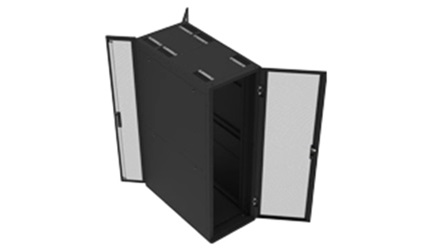
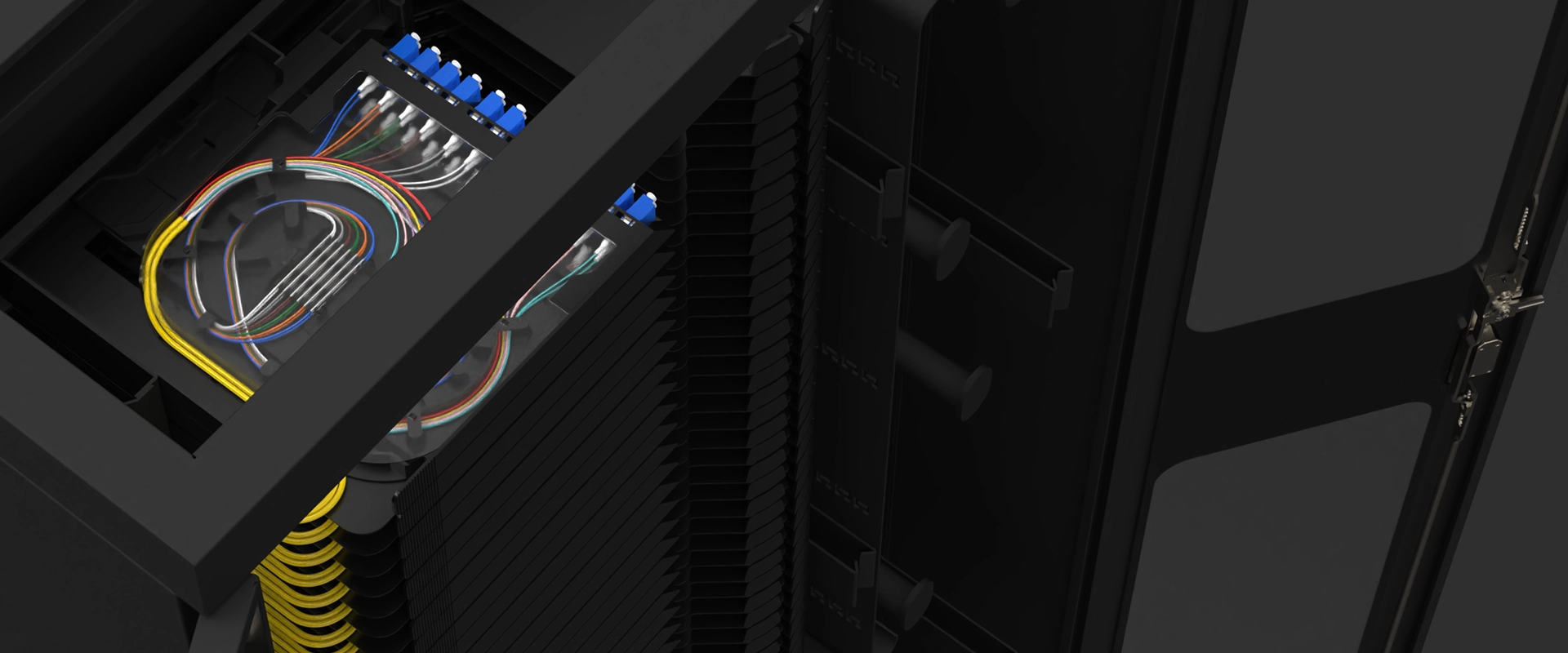


The available optical distribution frame types include 24-core, 36-core, 48-core, 72-core, and 96-core configurations. Each network distribution frame consists of a shell, support frame, fiber tray, fixing device, and ODF unit box. The ODF unit box contains a shell, support frame, fiber collector, fixing device, and protective components for optical fiber connectors.
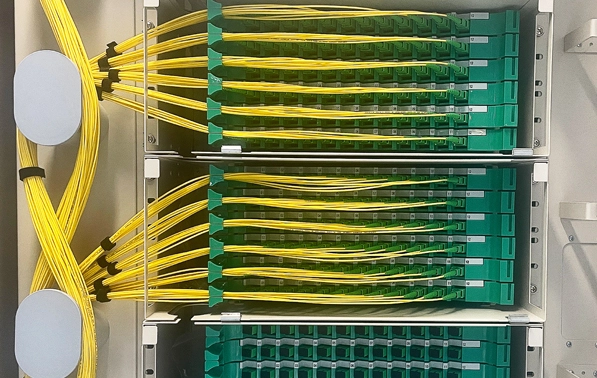
With the development of 5G and big data, high-density and high-bandwidth applications continue to expand. A high density optical distribution frame supports this transition by providing centralized fiber termination, patching, and cable management.
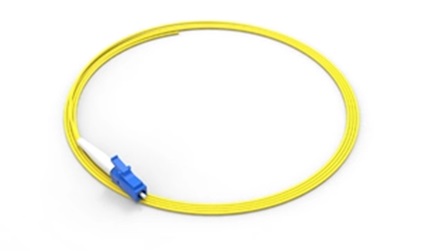
An ODF network distribution frame offers flexible configuration, straightforward installation, and convenient maintenance. For network terminals and relay points, a high density optical distribution frame supports the splicing, termination, and connection of fiber optic cables and jumper cables.
| Type | Capacity | Mounting | Best For | Key Features |
| Rack-Mount ODF | 24–288+ cores | 19"/23" rack | Data centers, central offices | Modular trays, front access |
| Wall-Mount ODF | 12–96 cores | Wall | Small sites, FTTH cabinets | Compact, lockable |
| Floor-Standing Cabinet | 96–1,440+ | Floor | High-density backbone | High port count, cable routing |
| High-Density Modular | Up to 3,000+ | Rack | 5G/ hyperscale | MPO/MTP support, swing-out trays |

Core Count — Match current fibers + 30–50% buffer for growth (e.g., 24–96 cores for small/medium, 144+ for high-density).
Mounting Type — Compare the available optical distribution frame types according to the installation environment. Choose a rack-mounted network distribution frame for telecom rooms and data centers or a wall-mounted model for space-limited sites.
Density Needs — Choose modular, front-access designs for high port count and easy maintenance.
Environment — Indoor-rated with bend radius protection (≥30 mm) and dust/fire resistance.
Future Expansion — Prioritize scalable, modular ODFs with extra tray slots for upgrades.
Evaluate these factors to ensure reliability and scalability. Contact OTRANS for tailored recommendations.

 English