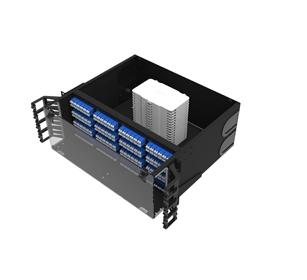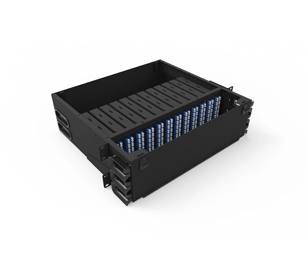

Fiber optic systems have become the backbone of modern communication networks, offering unparalleled data transmission speeds and reliability. One of the most critical components of a fiber optic network is the inner optical outlet, which serves as the termination point for fiber optic cables within buildings or infrastructure. Proper installation and maintenance of inner optical outlets are essential for ensuring a network's efficiency, longevity, and overall performance. This article provides best practices for both installing and maintaining inner optical outlets to optimize the performance of fiber optic systems.
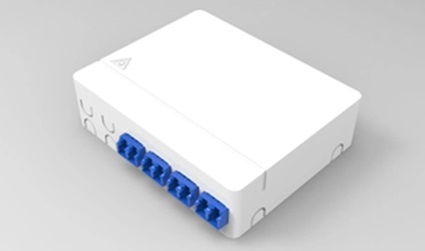
When installing inner optical outlets, it is crucial to follow industry standards and ensure that the installation site is optimal for the long-term performance of the fiber optic network. Begin by selecting an appropriate location for the inner optical outlet box, ideally close to the end devices or equipment it will support. The location should allow easy access for future maintenance while minimizing the risk of physical damage. Additionally, the outlet should be installed in an area that provides adequate protection from environmental factors such as moisture or excessive heat, which can degrade fiber optic cables over time.
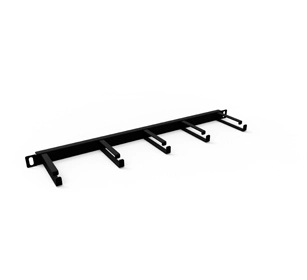
The next step in the installation process is ensuring proper cable management within the inner optical outlet. Fiber optic cables should be routed cleanly and neatly, without excessive bending or tension. Excessive bending of fiber optic cables can lead to signal degradation or complete loss of connection, so it's important to maintain the minimum bending radius specified by the manufacturer. The inner optical outlet should include cable management features like clips, straps, or trays to keep the cables organized and free from stress. Furthermore, labels should be applied to the cables and outlets to simplify troubleshooting and identification during maintenance.
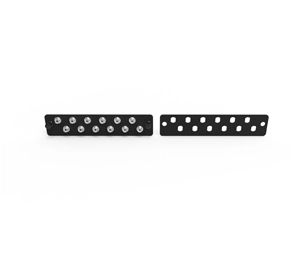
Once the inner optical outlet is properly installed, the next key aspect is ensuring the correct termination of fiber optic cables. Using high-quality connectors and following the appropriate fiber optic cable preparation techniques will help ensure the best possible signal transmission. Whether you are working with single-mode or multi-mode fibers, each connection point in the inner optical outlet should be secure and free from contaminants, dust, or debris that could interfere with signal integrity.
When connecting fibers within the inner optical outlet, it is essential to use appropriate tools, such as fusion splicers or mechanical splicing kits, to make clean and reliable connections. Avoiding improper or poor-quality splicing is crucial, as this can introduce significant signal loss and performance issues. Testing the connectivity once the inner optical outlet is installed is also important. Performing basic optical power tests ensures that the installation is successful and that the connection delivers the required performance levels.
Maintaining the performance of an inner optical outlet is just as important as the initial installation. Regular inspection and cleaning are necessary to ensure the outlet and fiber optic cables are free from dust, dirt, and moisture. Fiber optic connectors and termination points are especially vulnerable to contamination, which can result in signal loss or equipment malfunctions. As such, it is important to clean connectors using approved cleaning methods, such as using lint-free wipes and optical cleaning solutions. Furthermore, ensure that the inner optical outlet box remains sealed and secure, preventing foreign particles from entering and affecting the performance of the fiber optic system.
Another key maintenance task is ensuring that the inner optical outlet is free from physical damage. Over time, wear and tear from repeated access or environmental factors could lead to degradation in the outlet box or connectors. Regularly check for signs of cracking, corrosion, or wear, and replace damaged components immediately to prevent further issues. Additionally, ensure that cables are properly secured and that any excess fiber length is properly coiled to avoid unnecessary strain on the system.
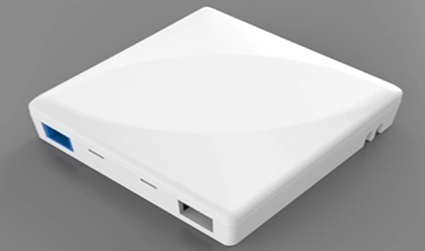
At times, it may be necessary to troubleshoot or upgrade the inner optical outlet or its components. Troubleshooting should begin by checking the physical condition of the outlet, verifying the connections, and ensuring that there are no obstructions or misalignments that could impact performance. Using an optical power meter can help pinpoint where signal loss is occurring and allow for the identification of problematic connections or cables.
If upgrades are required, such as the addition of more fiber optic connections or a new fiber type, ensure that the inner optical outlet can accommodate these changes. Modular inner optical outlet systems are ideal for these scenarios, as they allow for easy upgrades and the addition of new ports or cables. When upgrading, be sure to follow the same best practices for cable management, labeling, and securing the new connections.
In conclusion, proper installation and maintenance of inner optical outlets are critical for ensuring that fiber optic systems perform at their best over time. Following the best practices outlined above, from ensuring proper cable management to regularly cleaning and inspecting connectors, helps extend the life of the system and maintain high-quality performance. Whether you are installing a new network or upgrading an existing one, adhering to these best practices for inner optical outlet systems will ensure your fiber optic network remains reliable, scalable, and efficient.
 English